
How to Put Screen Protector on Android Phone
To put a screen protector on an Android phone, clean the screen, align the protector, and slowly press it on. Properly applying a screen protector helps protect the phone's screen from scratches and damage.
Introducing a screen protector for an Android phone is an essential step in safeguarding its screen against scratches, smudges, and cracks. By following a few simple steps, you can easily apply the screen protector. Firstly, start with cleaning the screen thoroughly to remove any dust or fingerprints.
Once the screen is clean, carefully align the protector with the phone's display. Ensure that it fits properly and matches the correct size. Finally, gently press the screen protector onto the screen, allowing it to adhere evenly and smoothly. With this quick process, your Android phone can enjoy increased protection and maintained visibility.
Why Use A Screen Protector On Android Phone
htmlUsing a screen protector on your Android phone is essential to protect its screen from scratches, smudges, and cracks. The importance of protecting your phone screen cannot be overstated as it is one of the most vulnerable parts of your device.
Benefits Of Using A Screen Protector
A screen protector offers several benefits for your Android phone:
- Prevents scratches and abrasions: The screen protector acts as a barrier between your phone's screen and external objects, preventing scratches and abrasions from damaging the display.
- Reduces fingerprints and smudges: Screen protectors usually have oleophobic coatings that repel oil and fingerprints, keeping your screen looking clean and smudge-free.
- Enhances visibility: Some screen protectors come with anti-glare or high transparency features, improving visibility and reducing glare in bright light conditions.
- Provides impact protection: Thicker screen protectors can provide an additional layer of impact resistance, reducing the risk of cracks or shattering if your phone is accidentally dropped.
How Screen Protectors Enhance The Lifespan Of Your Phone
By using a screen protector, you can extend the lifespan of your Android phone:
| Protects screen | Maintains resale value | Preserves touchscreen functionality |
|---|---|---|
| Prevents scratches, cracks, and damage | Keeps the screen in good condition, increasing the phone's resale value | Screen remains responsive and accurate, enhancing user experience |

Credit: www.amazon.com
Types Of Screen Protectors For Android Phones
Types of Screen Protectors for Android Phones:
Tempered glass screen protectors: These screen protectors are made of multiple layers of glass that are heat treated to increase their strength. They provide excellent protection against scratches, cracks, and shattering. Tempered glass protectors also maintain the touch sensitivity and clarity of the device's display.
Plastic film screen protectors: These screen protectors are thin and flexible, often made of PET or TPU materials. They are easy to apply and are generally cheaper than tempered glass protectors. However, they are less durable and may not offer the same level of protection against drops and impacts.
Liquid screen protectors: Liquid screen protectors consist of a liquid polymer that is applied to the phone's screen and then dried to create a protective layer. They claim to provide superior protection against scratches and can also enhance the screen's clarity. However, they may not offer the same level of impact resistance as tempered glass protectors.
Which type is best for your Android phone depends on your specific needs and preferences. If you prioritize durability and impact protection, tempered glass screen protectors are a great choice. If affordability and ease of application are important to you, plastic film screen protectors may be more suitable. Liquid screen protectors are worth considering if you desire improved scratch resistance and screen clarity.
Step-by-step Guide To Applying A Screen Protector On Android Phone
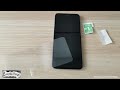
htmlGather the necessary materials for applying a screen protector on an Android phone. A microfiber cloth, screen protector, and a dust removal sticker are essential items to have.
Clean the phone screen thoroughly to eliminate any dirt or smudges. Use a microfiber cloth to wipe away fingerprints, dust, and other debris. This will ensure a clean surface for the screen protector to adhere to.
Align the screen protector correctly with the edges of the phone screen. Take your time to position it accurately and make sure it does not cover any sensors or camera lenses. Once aligned, gently press the center of the screen protector to initiate adhesion.
Remove air bubbles that may have formed underneath the screen protector. Use a card or your finger to push out the bubbles towards the edges. Start from the center and work your way outward until all bubbles are gone.
Polish the screen protector for a clear finish. Use a microfiber cloth to remove any remaining smudges or fingerprints. Ensure the protector is firmly attached to the screen without any residue or bubbles.
Preparing The Phone Screen
| Preparing the Phone Screen |
|---|
| To successfully apply a screen protector on your Android phone, it is important to prepare the phone screen properly. Start by turning off the phone and powering it down completely. This ensures that no accidental touches or changes in the screen's position occur while applying the protector. Once the phone is powered off, take a microfiber cloth and gently clean the screen surface. This removes any dust or debris that could interfere with the adhesion of the screen protector. Make sure to pay attention to the edges and corners of the screen. If there are stubborn dirt or fingerprints on the screen, you can use a cleaning solution specifically designed for electronic screens. Apply a small amount of the solution to the microfiber cloth and gently wipe the screen, making sure to cover the entire surface. By properly preparing the phone screen, you create a clean and smooth surface that allows for successful application of the screen protector, ensuring optimal protection for your Android phone. |
Application Process
Peel off the protective backing of the screen protector and make sure to align the cutouts and edges properly with the phone screen. Carefully and slowly apply the screen protector onto the phone screen, ensuring there are no air bubbles trapped underneath. Smooth out any air bubbles that may appear by using a card or your fingers, gently pressing them towards the edges. Once applied, allow the screen protector to adhere to the phone screen. This will provide protection from scratches and smudges, keeping your Android phone screen clear and clean. Follow this easy process to ensure a bubble-free application of your screen protector, enhancing the longevity of your device.
Troubleshooting Common Issues
Having dust particles or lint trapped underneath a screen protector can be a frustrating experience. Luckily, there are a few steps you can take to troubleshoot this common issue:
- Start by carefully removing the screen protector from your Android phone. Use a microfiber cloth to clean the surface of your phone, making sure to remove any dirt or debris.
- If you notice any dust particles or lint on the adhesive side of the screen protector, gently peel it off using a piece of clear tape.
- Once the screen protector is clean, carefully reapply it to your phone. Make sure to align it properly and use a squeegee or a credit card to remove any air bubbles.
To minimize the appearance of fingerprints on your does s23 come with screen protector, consider using a fingerprint-resistant coating. Additionally, keep a microfiber cloth handy to regularly clean your phone's screen. By following these troubleshooting steps, you can ensure a smooth and clear screen protector installation on your Android phone.
Maintaining And Replacing The Screen Protector
When it comes to prolonging the life of your Android phone's screen protector, regular cleaning is essential. Cleaning tips for the screen protector include using a microfiber cloth or a soft, lint-free cloth to gently wipe away fingerprints and smudges. Avoid using harsh chemicals or abrasive materials that could damage the protector. It is also important to monitor the screen protector for signs of wear or damage. Look out for scratches, bubbles, or peeling edges that could hinder the usability of your screen. Replacing the screen protector when necessary is a simple process. Carefully peel off the old protector and clean the screen before applying a new one. Ensure the phone is free from dust and align the new protector precisely to avoid any air bubbles or misalignment. Remember to follow the manufacturer's instructions for the best results.
Conclusion
To wrap it up, putting a screen protector on your Android phone is a simple yet crucial step to protect its display from scratches and smudges. By following the step-by-step guide provided in this blog post, you can ensure a hassle-free installation process.
Remember, taking care of your phone's screen will prolong its lifespan and enhance your overall user experience. So, don't wait any longer and give your device the protection it deserves.
 Reviewed by AndroidSparks
on
October 06, 2023
Rating:
Reviewed by AndroidSparks
on
October 06, 2023
Rating:


No comments: